We create this content from the unceded territories of the Musqueam, Tsleil-Waututh, and Squamish Nations. As settlers providing therapy services in so-called Vancouver, we’re committed to moving beyond acknowledgment into active accountability.
Overview
This piece names what mainstream media therapy tropes get wrong, from the neutral therapist myth to quick-fix narratives, and what anti-oppressive therapy actually looks like in contrast: flexible session structures, cultural safety, and collective approaches to wellness rather than a 50-minute dramatic breakthrough.
Written by Julianna Lei
In This Guide:
- The White Lens of TV Therapy
- Beyond the 50-Minute Drama
- Breaking Down Harmful Tropes
- What Media Gets Wrong
- What Real Anti-Oppressive Therapy Looks Like
- Next Steps
The White Lens of TV Therapy
As providers of Vancouver BIPOC therapy, we see how these representations impact access. Mainstream media’s portrayal of therapy overwhelmingly centers white, middle-class experiences and Western approaches to healing. As a POC-led counselling practice providing culturally responsive counselling, we see how these representations impact access to care and understanding of what therapy can be.
Common misrepresentations include:
- Over-representation of white therapists and clients
- Erasure of cultural healing practices and wisdom
- Missing intersectional perspectives on mental health
- Ignoring systemic contexts of distress
- Perpetuating colonial models of healing
Beyond the 50-Minute Drama
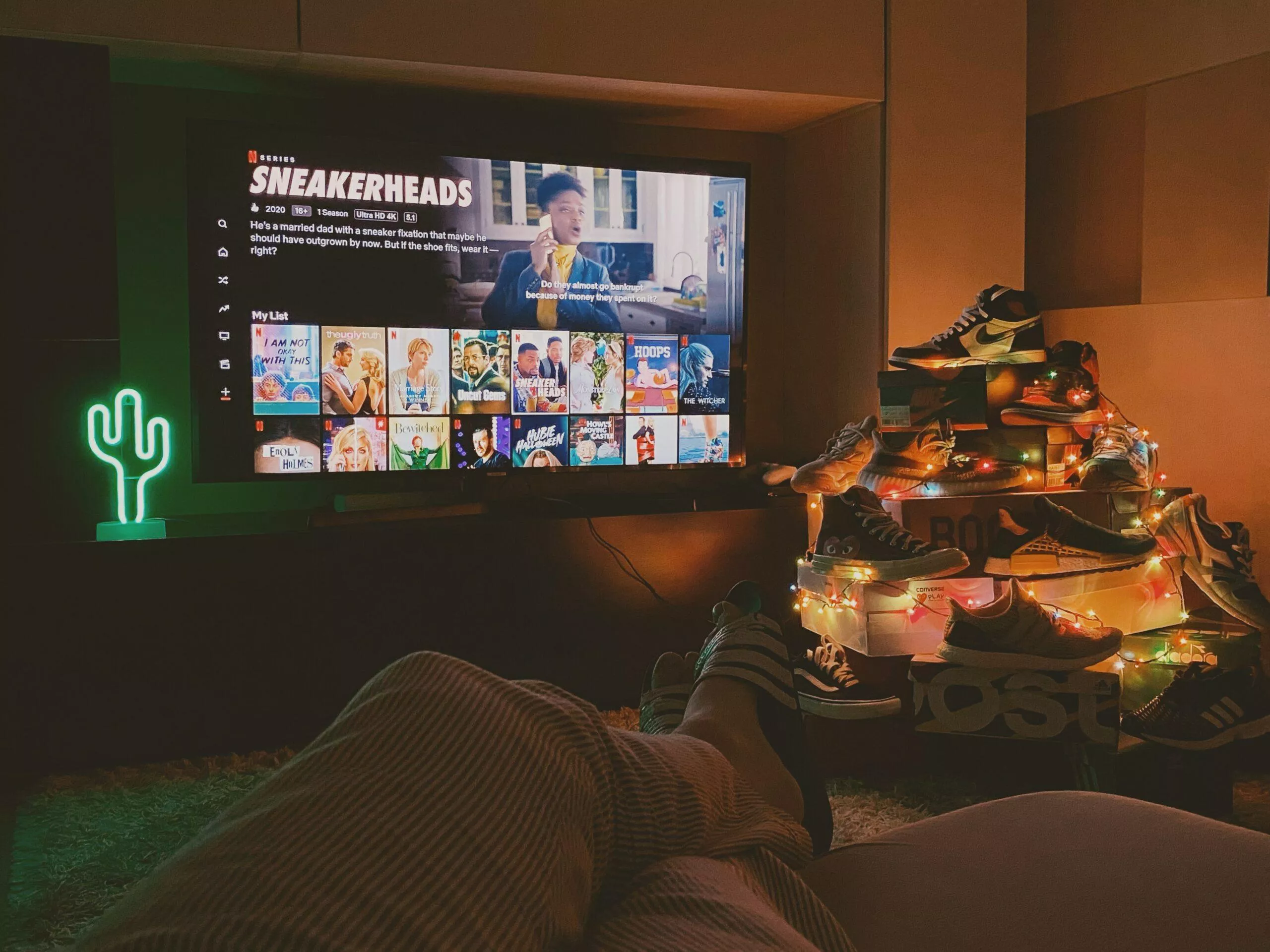
TV therapy often follows a predictable format: weekly sessions in a pristine office, leading to dramatic breakthroughs. As a provider of anti-oppressive therapy in Vancouver, we know healing looks different for everyone and often happens in community.
Real anti-oppressive therapy might include:
- Flexible session lengths based on need
- Integration of cultural healing practices
- Community-supported healing spaces
- Recognition of systemic barriers
- Collective approaches to wellness
Breaking Down Harmful Tropes
Popular media perpetuates damaging myths about therapy that can particularly harm SDQTBIPOC+ communities seeking support. Through SDQTBIPOC+ centered counselling in Vancouver, we actively work to challenge these narratives.
Common harmful tropes include:
- The “neutral” therapist myth that ignores power dynamics
- “Quick fix” narratives that dismiss cultural healing timelines
- Individual triumph stories that erase community support
- Trauma exploitation for entertainment
- Pathologizing cultural responses to oppression
What Media Gets Wrong
As a Queer, POC-led counselling practice in Vancouver, we see how media representations miss crucial aspects of therapeutic work, particularly for SDQTBIPOC+ communities.
Critical missing elements include:
- Cultural safety in therapy spaces
- Power dynamics and their impact
- Systemic contexts of mental health
- Community-based healing approaches
- Alternative healing modalities like somatic therapy in Vancouver
- Accessibility and social justice
What Real Anti-Oppressive Therapy Looks Like
As a POC-led practice, our approach to therapy differs significantly from media portrayals. We center action-oriented learning and collective healing while providing accessible, justice-oriented counselling.
Real anti-oppressive therapy includes:
- Recognition of systemic contexts
- Integration of cultural healing practices
- Flexible approaches to session structure
- Community-supported healing
- Political awareness and activism
- Collective care approaches
Our practice specifically offers:
- Counsellors with specialized training on anti-oppressive therapy for BIPOC communities
- Weekly supervision in anti-oppressive frameworks
- Intersectional feminist approaches
- Anti-colonial healing practices
- Collective healing projects
Next Steps in Your Healing Journey
Ready to experience what anti-oppressive therapy actually looks like? Here are some ways to connect:
- Book a free consultation to explore how therapy might support your journey.
- Take our 3-minute questionnaire to receive personalized therapist recommendations.
- Explore our free resource database for more information about anti-oppressive approaches to healing.
Have questions? Reach out to us at [email protected] or text 778.775.7504.
Real therapy goes beyond what you see in media. Your healing journey deserves support that honors your full experience, cultural wisdom, and community context, the same collective framing explored in The Art of Saying No.
Frequently Asked Questions About Real Therapy vs. Media Portrayals
What does TV get wrong about what therapy looks like?
Mainstream media therapy overwhelmingly centers white, middle-class experiences and Western approaches to healing, following a predictable format of weekly sessions leading to dramatic breakthroughs that doesn’t reflect how healing actually happens for most people.
What are some common harmful tropes about therapy in media?
The “neutral” therapist myth that ignores power dynamics, quick-fix narratives that dismiss cultural healing timelines, individual triumph stories that erase community support, and trauma exploitation for entertainment.
What do media portrayals of therapy typically leave out?
Cultural safety in therapy spaces, power dynamics and their impact, systemic contexts of mental health, community-based healing approaches, and accessibility and social justice.
What does real anti-oppressive therapy actually look like?
Recognition of systemic contexts, integration of cultural healing practices, flexible approaches to session structure, community-supported healing, and collective care approaches, rather than a fixed weekly formula.
Does Venturous offer anything beyond standard weekly sessions?
Yes. Counsellors receive specialized training in anti-oppressive therapy for BIPOC communities and weekly supervision in anti-oppressive frameworks, and the practice runs collective healing projects alongside individual sessions.